
Budgeting Reality
by Sofia Feher
Part of living independently—whether you are moving away from home for the first time, starting over after a divorce, or beginning your first full-time job—is learning how to budget.
Contrary to what some people believe, budgeting is not just “being cheap.” It is learning how to live within your means. The goal is not to spend more than you earn, but to understand where your money is going, reduce unnecessary spending, and put something aside when possible.
There are many ways to budget, depending on your income, obligations, and living situation. You have to calculate your real cost of living, decide what you can save on, figure out what you can borrow or rent, consider what you can buy used, and be honest about what you can simply pass on.
Some people preach rules like the 30/30/30/10 rule—30% on living expenses, 30% on work or school, 30% on pleasure, and 10% saved. That may sound nice on paper, but it does not fit every income level or every stage of life. Rent, transportation, student loans, medical costs, family obligations, and location can change everything.
You also do not need to pay for budgeting software just so it can notify you that you spent $73 on your monthly coffee budget of $68. Sometimes the answer is simpler: cut costs where you can.
Make yourself a sandwich, salad, leftovers, or whatever you prefer for lunch instead of buying lunch at work every day. Buy an off-brand purse, shoulder bag, or one from a discount store. Keep it neat, clean, and functional. Once you have the corner office, a six-figure salary, and your loans paid off, you can buy the Gucci bag for Mondays, the Versace bag for Tuesdays, and the DKNY bag for Wednesdays.
Until then, you are probably not in the spotlight as much as you think. At work, people are usually judging your ability to show up, complete tasks, communicate clearly, and handle responsibility more than they are judging your accessory collection. Sorry, Barbie. They do not have to buy your extra set this time.
This does not mean you can never go out to dinner, celebrate a promotion, or treat yourself after a major accomplishment. It means those extras should be intentional, not automatic. For the sake of your pockets, make splurges rare enough to still feel special.
There are coupons, sales, discounts, leftovers, free resources, used options, and cheaper alternatives throughout the year. Budgeting is not about never enjoying life. It is about making sure the life you are enjoying does not quietly bury you in bills.
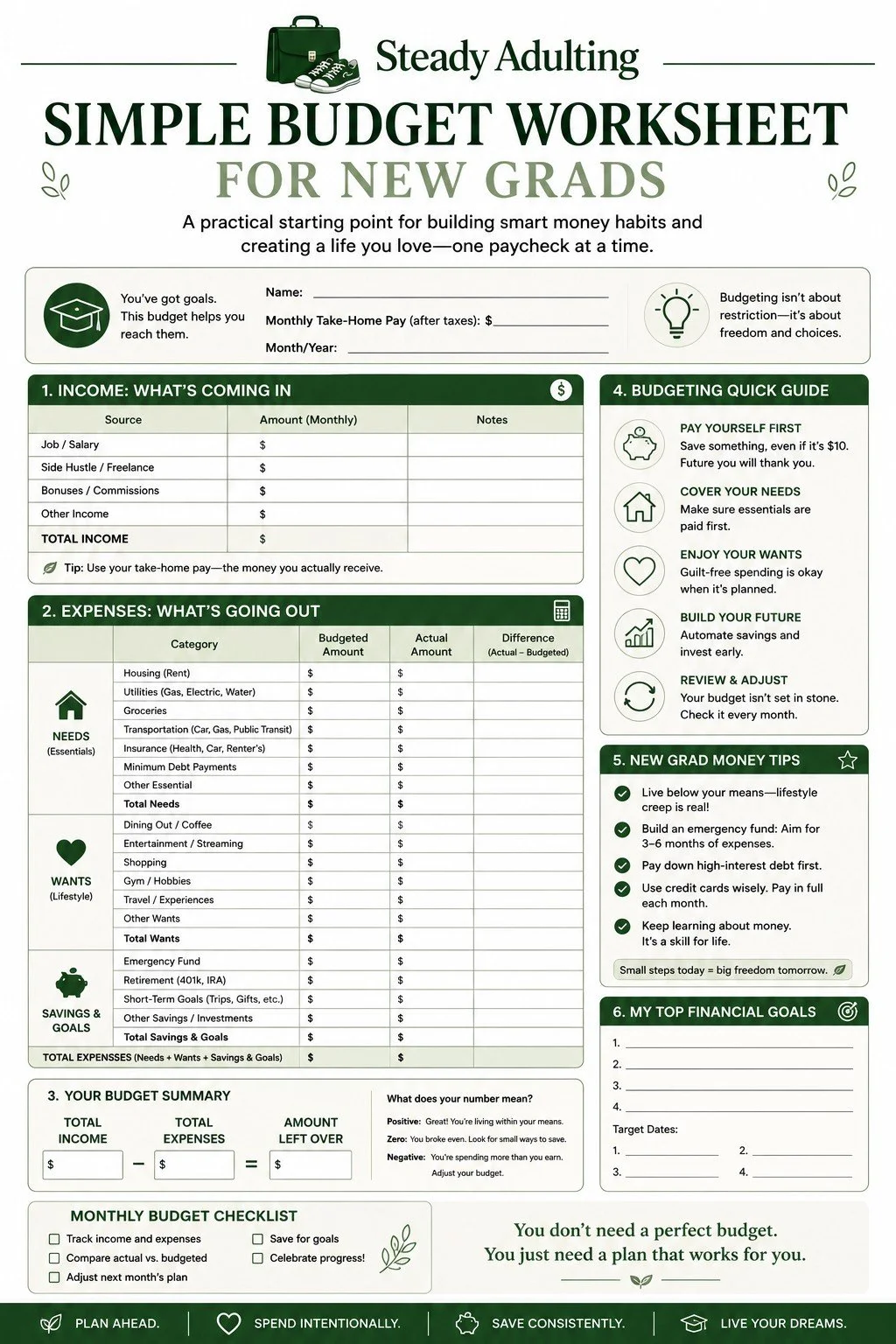
A simple way for new grads to keep track of their income and living expenses, to make sure they are saving money each month.
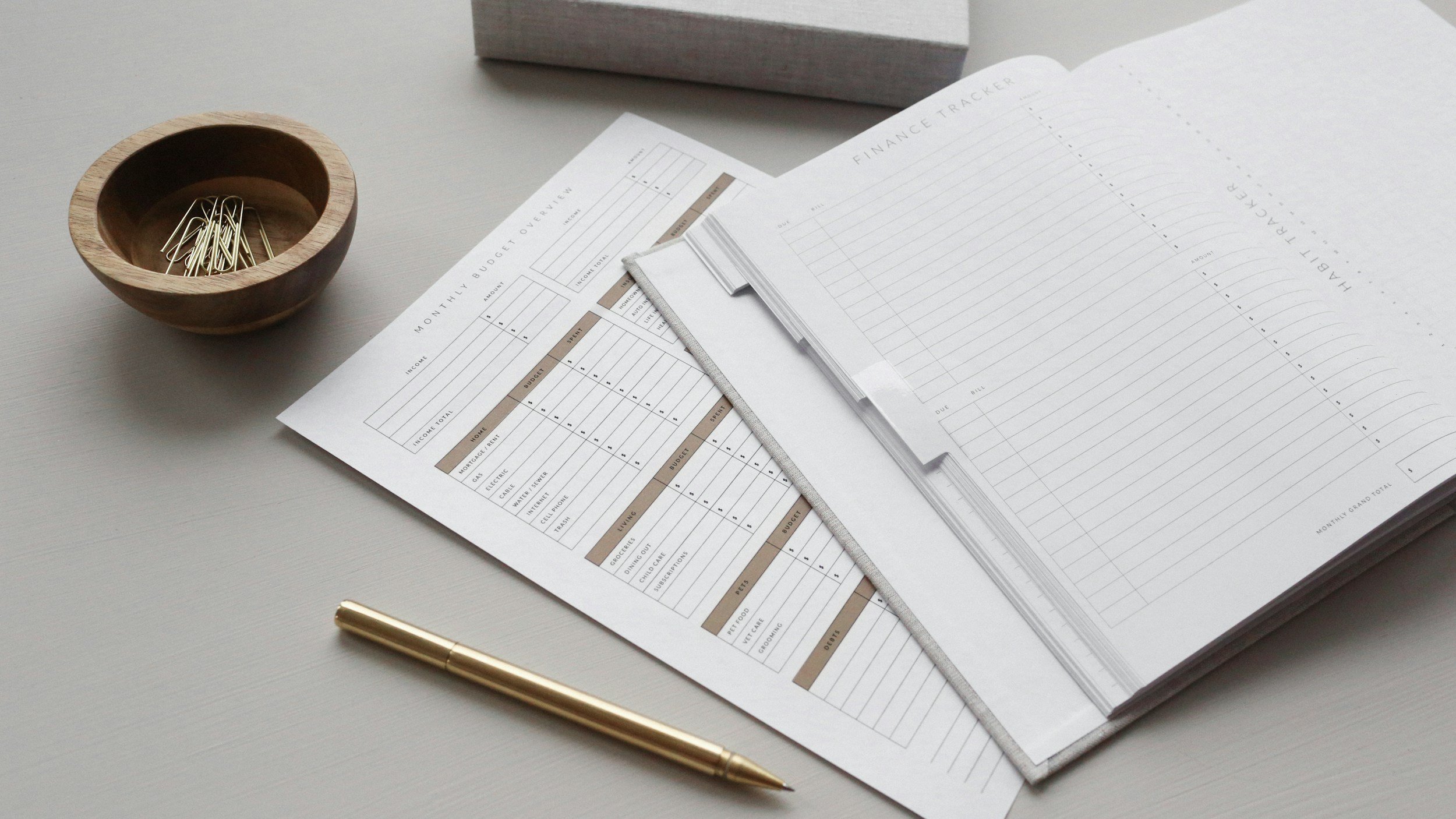
Image by: NORTHFOLK