Home & Cleaning
Keeping a home clean is not about being perfect, spotless, or naturally organized. It is about having simple systems that keep mess, laundry, dishes, smells, clutter, and small maintenance problems from taking over your life.
This section teaches the basics of running a home in a realistic way: what supplies to buy, how often things should be cleaned, how to build daily and weekly routines, how to care for laundry, how to clean kitchens and bathrooms, how to handle basic maintenance, how to move in responsibly, and how to make clothes and household items last longer.
The goal is not to shame anyone. The goal is to make adult life more manageable.
Jump to What You Need:
1. Cleaning Supplies Starter Kit
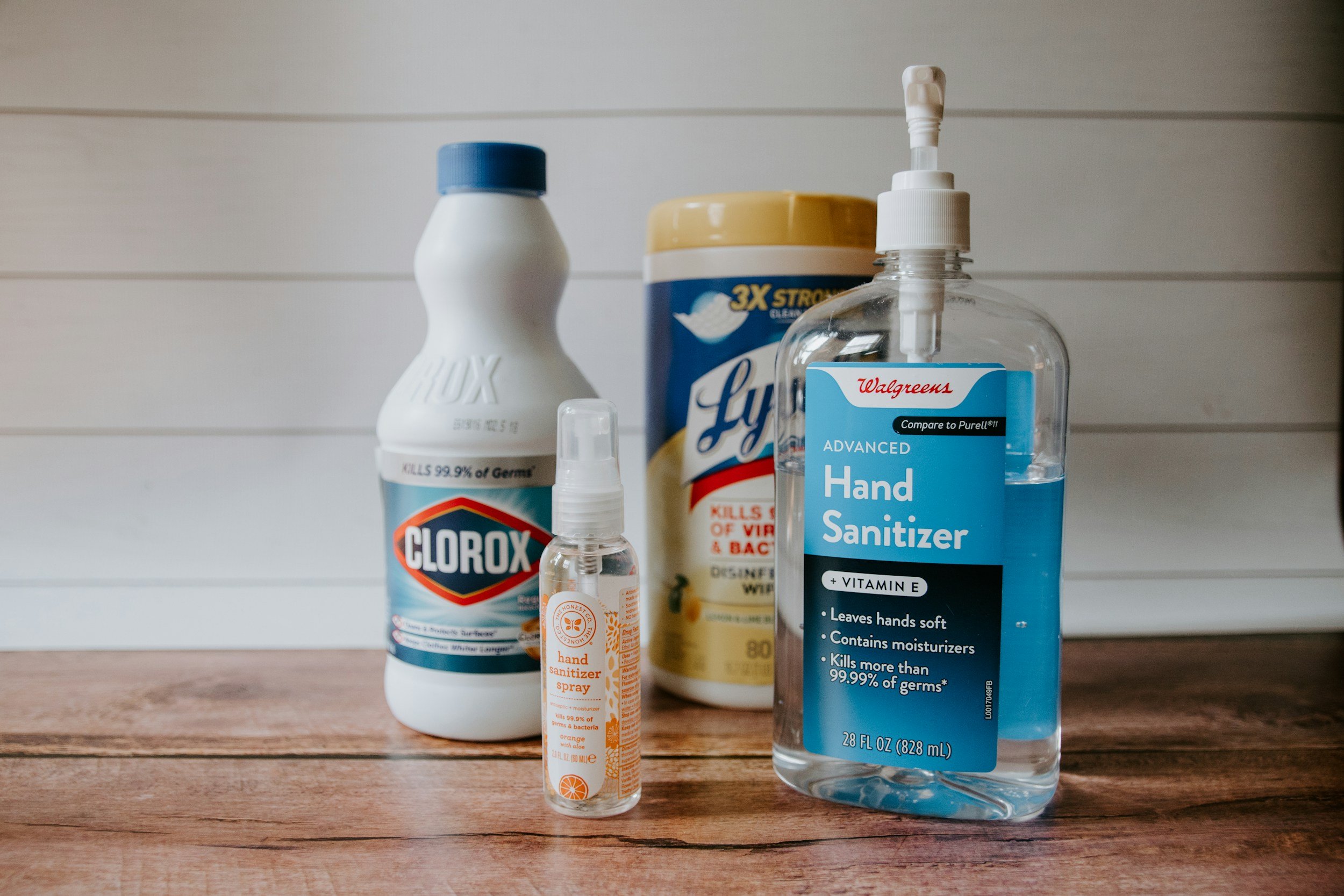
Before you can clean regularly, you need a few basic supplies. You do not need twenty specialty products or an expensive cleaning closet. Start simple.
What You Actually Need to Start
You can add more later. Cleaning does not have to begin with a shopping spree.
Cleaning and Disinfecting Are Not the Same
Cleaning removes dirt, crumbs, dust, grease, and grime.
Disinfecting kills germs when you use the right product correctly.
Some surfaces only need cleaning. Other surfaces, especially toilets, sinks, counters after raw meat, and high-touch areas during illness, may need disinfecting.
Always read the label. Some disinfectants need to stay wet on the surface for a certain amount of time before being wiped away.
2. Natural Cleaners: Helpful, Cheap, But Not Magic
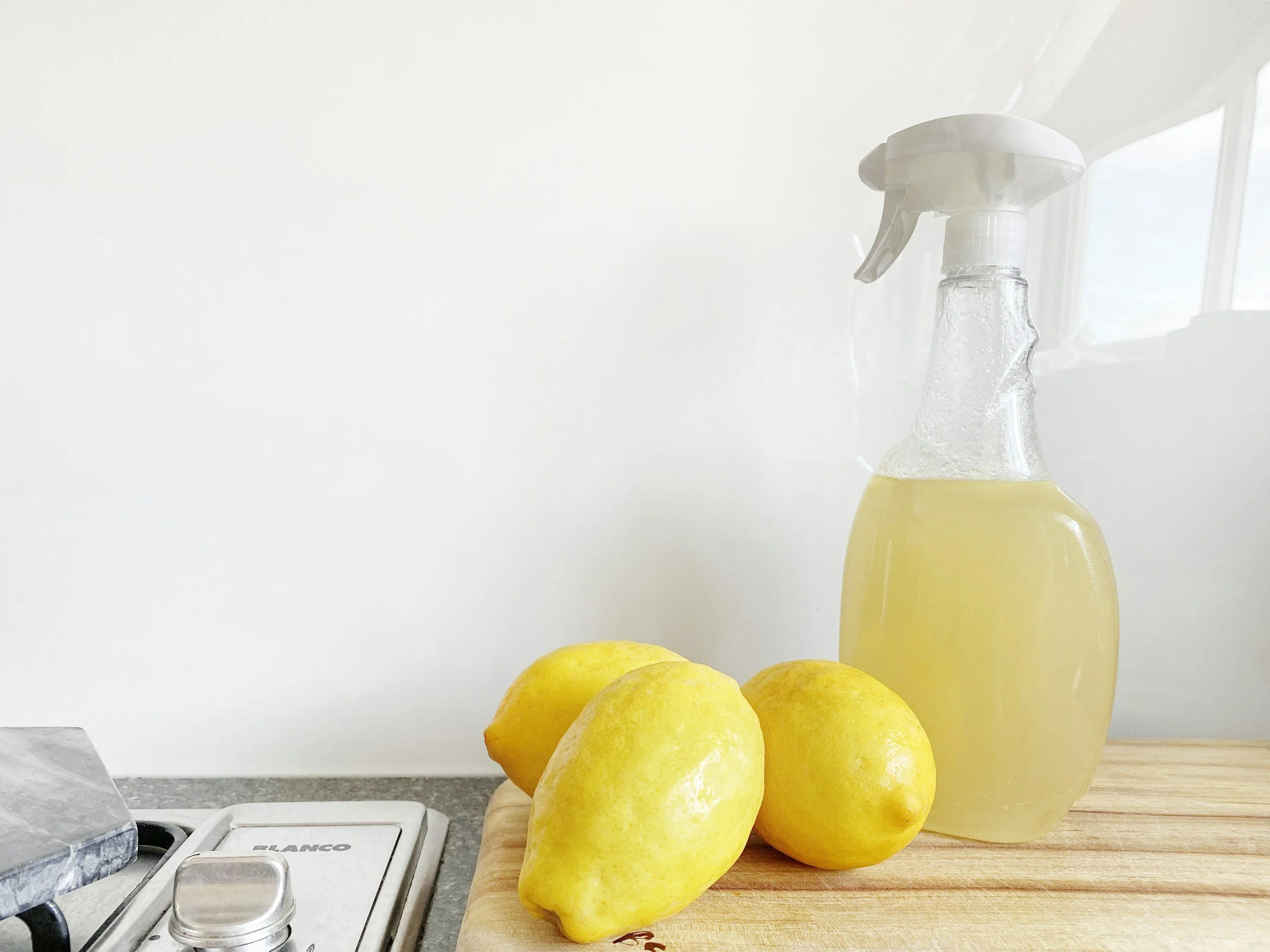
Some people prefer simple cleaners like vinegar, baking soda, dish soap, and hot water. These can be affordable, easy to find, and less overwhelming than owning twenty specialty products.
However, “natural” does not automatically mean safe for every surface. It also does not always mean disinfected.
Vinegar, Baking Soda, and Dish Soap:
Vinegar can help with some smells, hard-water spots, glass, and general cleaning. Some people love the clean smell of vinegar and water, especially on floors or in kitchens. But vinegar is acidic, so it should be used carefully.
Baking soda can help with odors and gentle scrubbing.
One of the most useful basic cleansers
Important Safety Rule
Never mix cleaning products together unless the label specifically says it is safe.
Do not mix:
Bleach and vinegar
Bleach and ammonia
Bleach and toilet cleaner
Bleach and random “natural” cleaners
Different drain cleaners
Mixing products can create dangerous fumes.
3. How Often Should I Clean Everything?
Cleaning is easier when you know what needs to happen daily, weekly, monthly, and seasonally.
Not everything has to be cleaned every day. Some things need regular attention, and others only need occasional maintenance.
Some homes need more frequent cleaning depending on real life.
Quick Rule
If it touches food, bodies, trash, moisture, or the floor, it usually needs more frequent cleaning.
If it is high up, behind something, or decorative, it usually needs monthly or seasonal cleaning.
4. Daily 15-Minute Reset Checklist
A short daily reset helps prevent the house from becoming overwhelming.
The goal is not to deep-clean the whole house. The goal is to make tomorrow easier.
5. Weekly Cleaning Schedule That Doesn’t Ruin Your Life
One reason people hate cleaning is that they save everything for one day. Then Saturday becomes “domestic punishment day.”
Instead, divide cleaning into smaller tasks throughout the week.
The goal is not to have a perfect house. The goal is to avoid crisis cleaning.
6. Decluttering Without Having a Breakdown
Decluttering should not begin with “become a minimalist by Tuesday.”
A messy space can feel emotional, embarrassing, exhausting, and impossible. Start with the obvious things first.
Decluttering in 5 Simple Steps
Important Reminder
Decluttering is not a personality test.
Having clutter does not mean you are bad, lazy, or hopeless. It usually means your systems are not working for your current life.
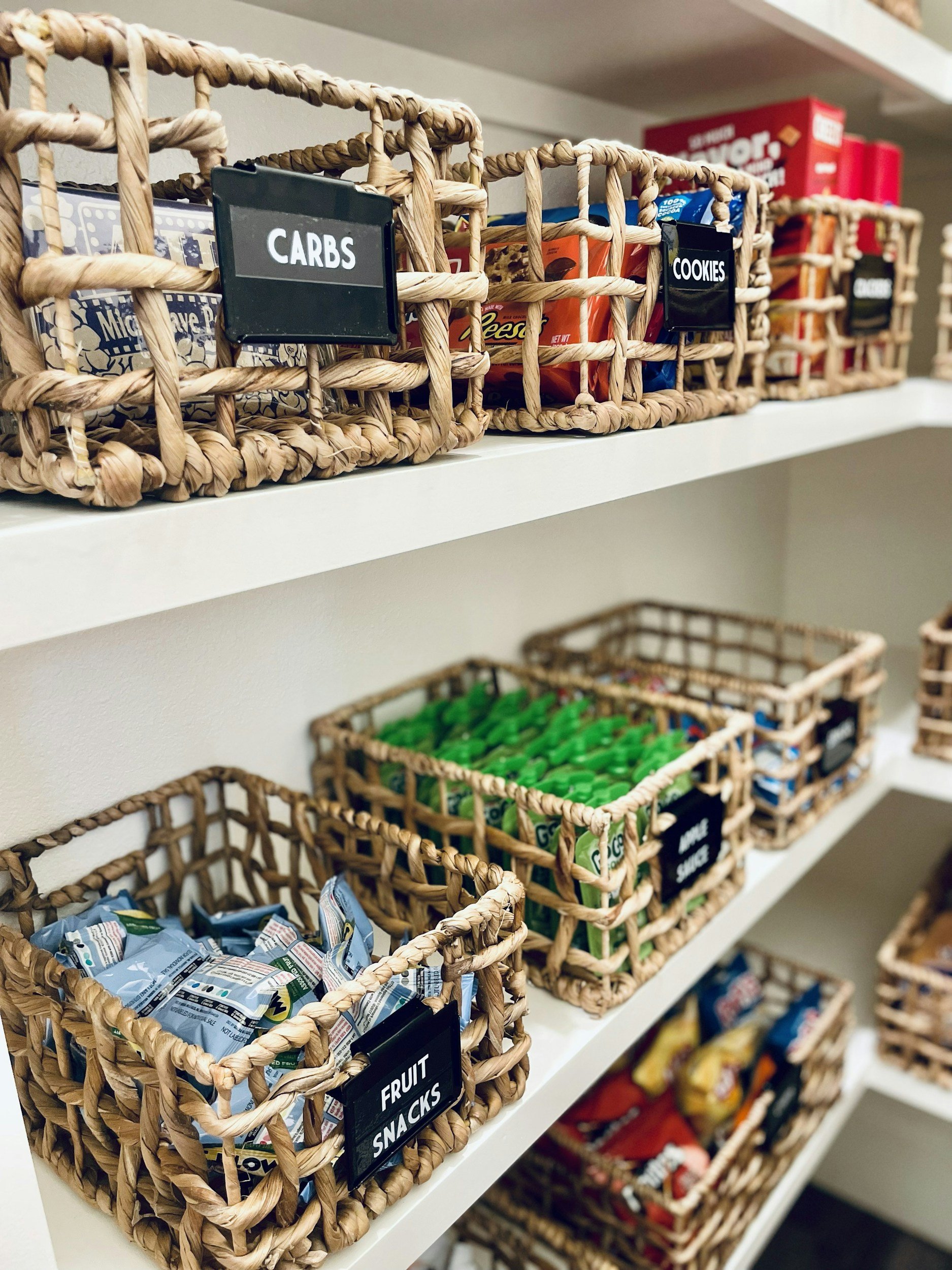
image by: @minimizethenorganize
7. Laundry 101
Laundry is not just throwing everything into the machine and hoping for the best.
Basic laundry skills help protect your clothes, towels, bedding, work clothes, and money.
Water Temperature:
Think of the “default” temperature as “cold”
For more explanation on anything else, click below:
Always check the label. Hot water can shrink or fade some fabrics.
Detergent Amount
More detergent does not mean cleaner clothes.
Too much detergent can leave residue, irritate skin, make towels stiff, and build up in the machine.
Use the amount recommended on the bottle, and often less if the load is small.
When in doubt, air dry.
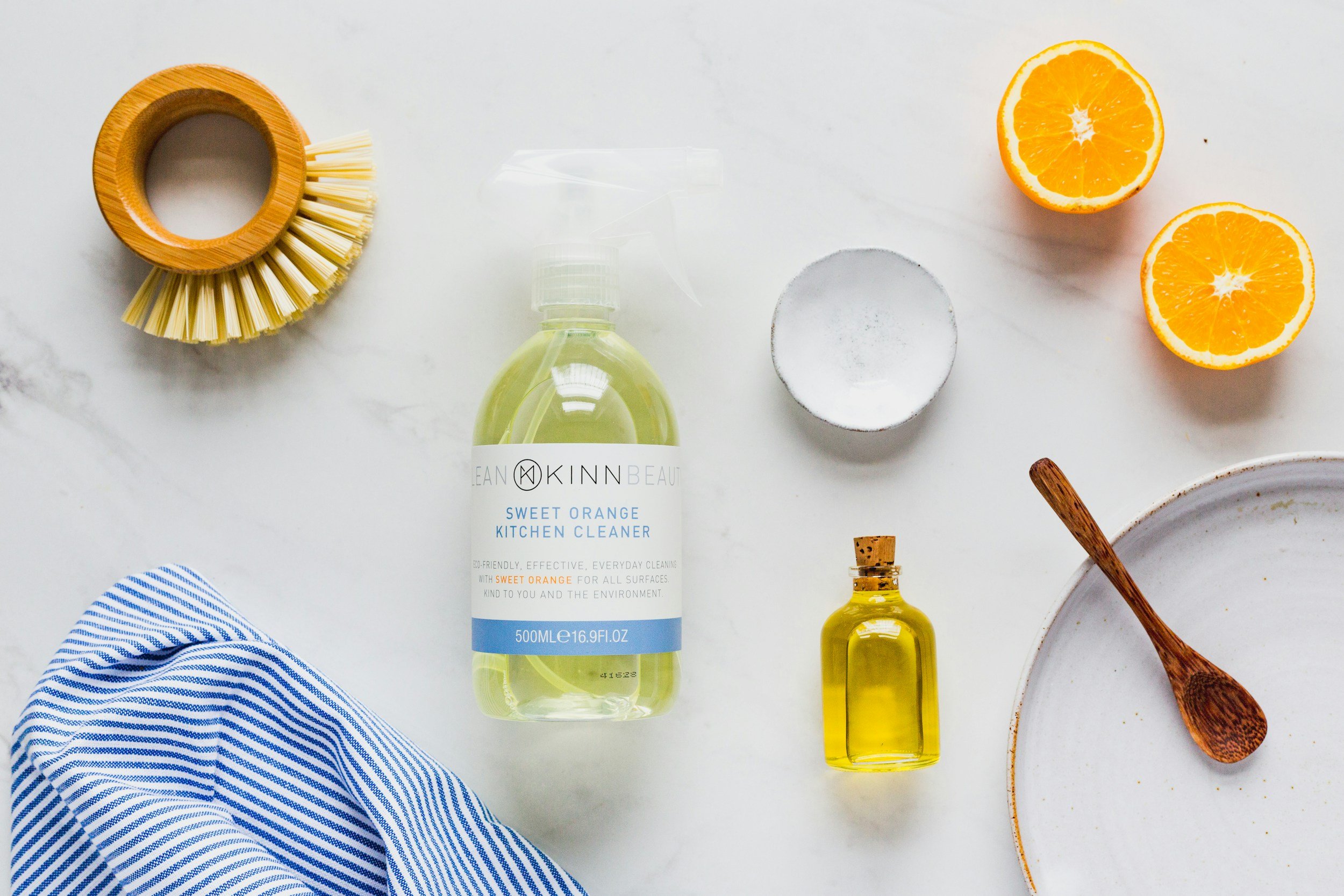
The kitchen is where food safety, smells, pests, grease, dishes, and clutter all meet.
A clean kitchen does not have to be fancy. It just needs to be safe, usable, and not growing science experiments.
Bathrooms need regular attention because moisture, soap residue, hair, germs, and odors build up quickly.
Product Safety
Do not mix cleaning products.
Especially avoid mixing bleach with vinegar, ammonia, toilet cleaner, or random bathroom products.
10. Apartment/House Maintenance Basics
Adults do not need to know how to fix everything, but they should know the basics.
Knowing a few simple things can prevent emergencies, damage, and unnecessary panic.
Moving into a new place is exciting, but there are a few things to handle before you fully unpack.
Taking care of clothes is part of taking care of your money.
Affordable clothes can last longer with better care.
Wash Inside Out
Air Dry When Possible
Treat Stains Quickly
Remove Lint and Pills
Shoe Care
Make Work Clothes Last
Looking put together is easier when your clothes are clean, cared for, and ready before the morning rush.
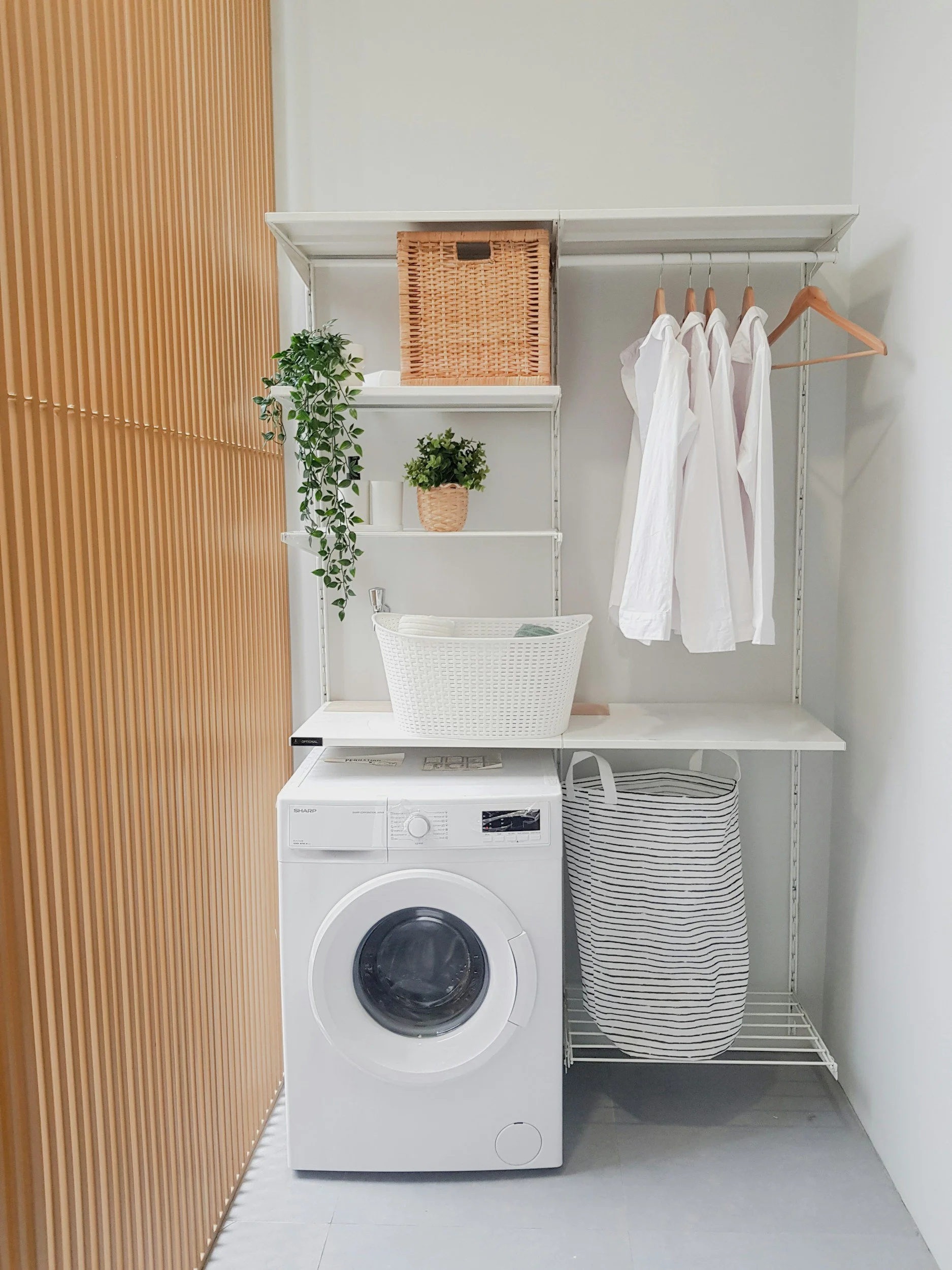
Image by: @bayusyaits
13. Cleaning Gas Stoves vs. Cleaning Electric Stoves
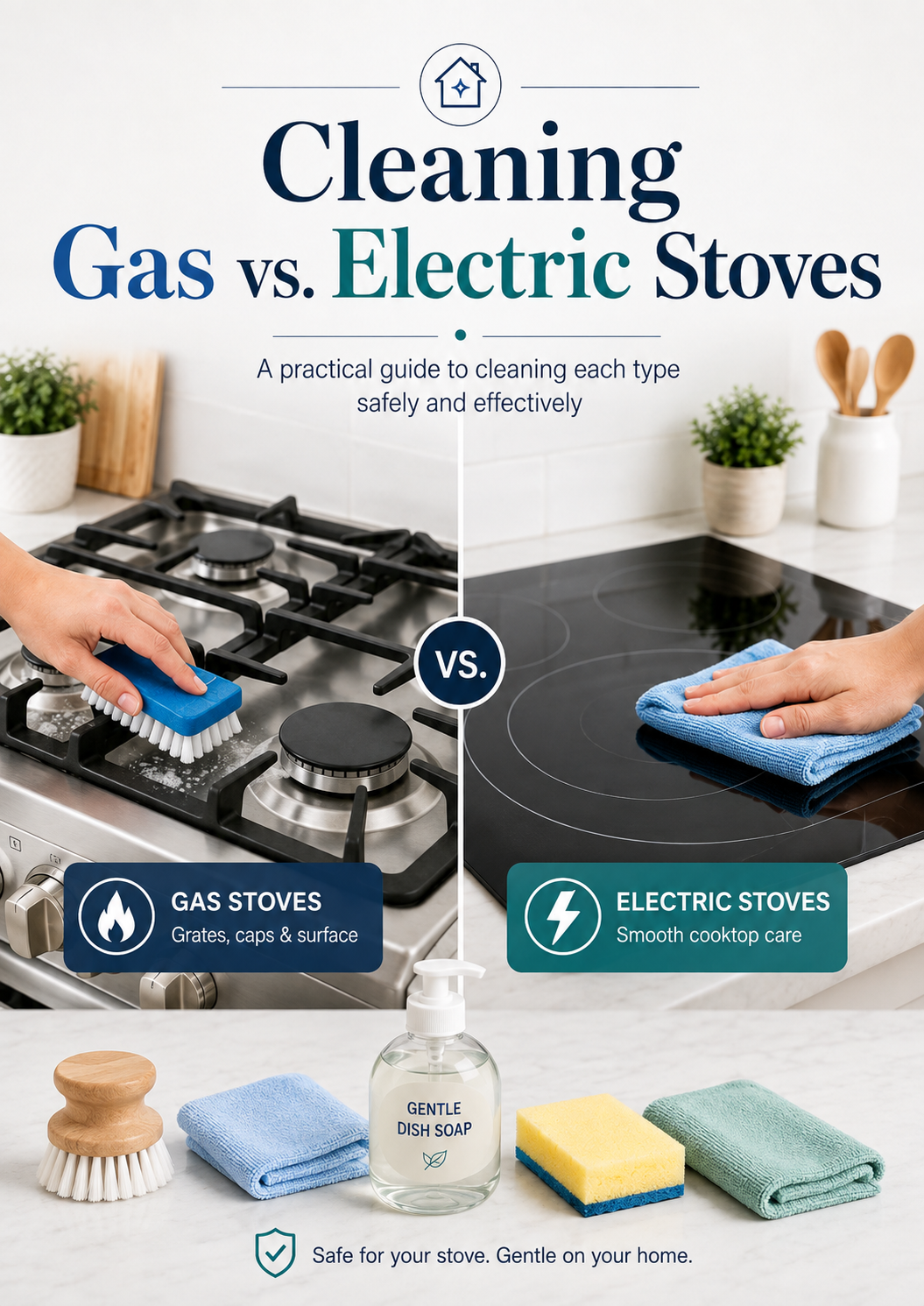
A guide to cleaning both gas and electric stoves without damaging the appearance of the stove.
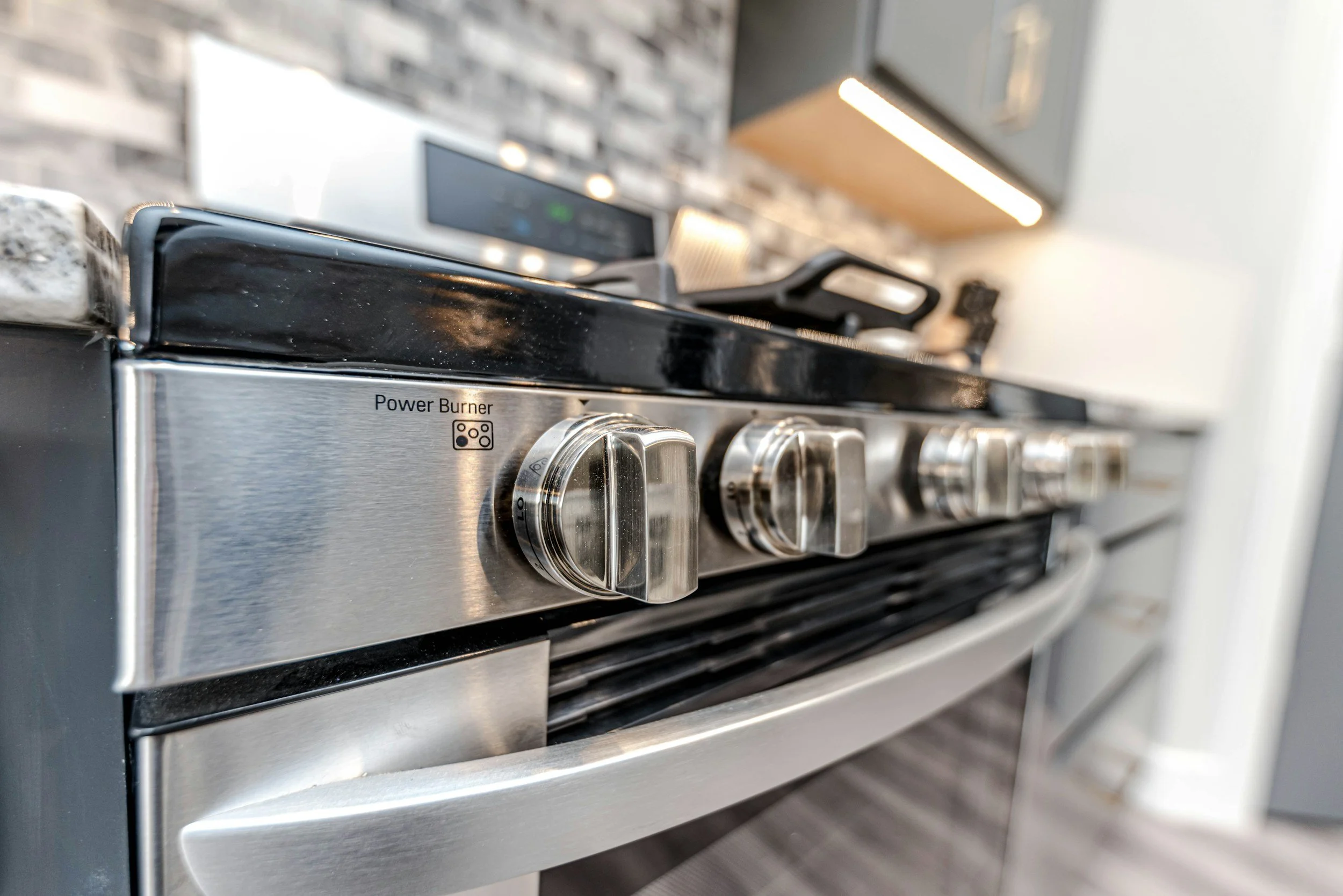
Image by: @mikegattorna
Final Reminder
Home care is not about perfection. It is about building systems that protect your time, money, health, and peace.
A clean home does not have to look like a magazine. It should be safe, usable, and manageable.
Start small. Repeat often. Learn as you go.