Make a Bill Calendar Before Bills Surprise You
By Clara Valenti
It has happened to many of us. We are responsible adults. We pay the rent or mortgage, keep up with utilities, contribute to fundraisers, schedule doctor’s visits, and try to stay on top of everything. Then suddenly: “Oh no, I forgot about that store card I barely use.”
Missing one payment is usually fixable, especially if you catch it quickly. You may be able to call and ask for a late fee to be waived if you normally pay on time. Still, the goal is to avoid the stress, extra fees, and possible service interruptions in the first place.
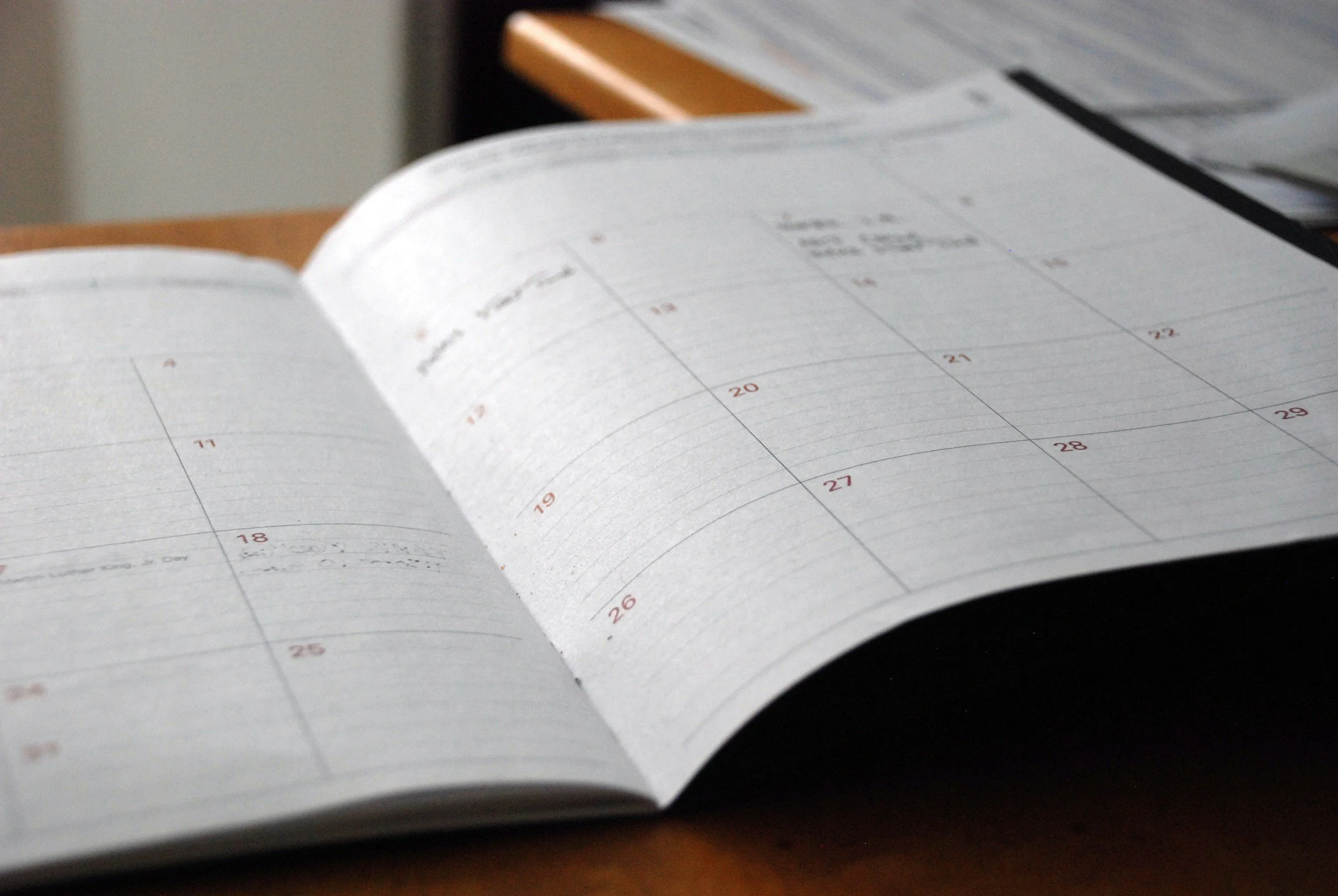
To make it easier to keep track of bills and avoid penalty fees or service cutoffs, create a bill calendar. A bill calendar, whether it is digital, paper, or part of a spreadsheet, helps you see what is due, when it is due, how it gets paid, and whether it has already been handled.
A bill calendar also helps you keep track of quarterly, semiannual, or yearly bills that can easily sneak up on you.
Steps for Making a Bill Calendar
List every bill. Include credit cards, utilities, rent or mortgage, memberships, subscriptions, insurance, loans, and anything else you pay regularly.
Write down the due date and amount. For bills that change each month, leave space to update the amount.
Note the payment method. Is it paid from your bank account, credit card, debit card, check, cash, or another method?
Mark autopay or manual pay. Autopay bills still need to be reviewed so you can catch price changes or failed payments.
Include annual, semiannual, and quarterly bills. These are easy to forget because they do not show up every month.
Set reminders before the due date. For example, if a bill is due on the 15th, set a reminder around the 5th that says, “Electric bill due in 10 days.”
Save proof of payment. Keep confirmation numbers, email receipts, or screenshots for important bills.
Review your bills monthly. Look for price increases, duplicate charges, expired promotions, or services you no longer use.
Bills That May Not Come Every Month
Some payments you make quarterly, semiannually, yearly, or occasionally may include:
Car insurance
Life insurance
Property taxes, if they are not included in your mortgage escrow
Annual memberships
Subscription renewals
Vehicle registration
Medical bills
School fees
Holiday giving or yearly donations
SteadyAdulting Note: Do not keep full account numbers, passwords, or sensitive login information on a paper calendar or in an unsecured document.
A bill calendar will not make bills disappear, but it can make them predictable. When you know what is due, when it is due, and how it is paid, you give yourself fewer surprises and more peace of mind.

A free Word version of the Beginner Bill Tracker Worksheet that you can edit
SteadyAdulting Note: Do not write full account numbers, passwords, or sensitive login information on this worksheet.